
Ken Alston
Forty years of asking one question.
Why do intelligent organizations consistently create outcomes they never intended?
For more than four decades, that question has guided my work across research and development, product innovation, marketing, corporate sustainability, executive leadership, and international consulting.
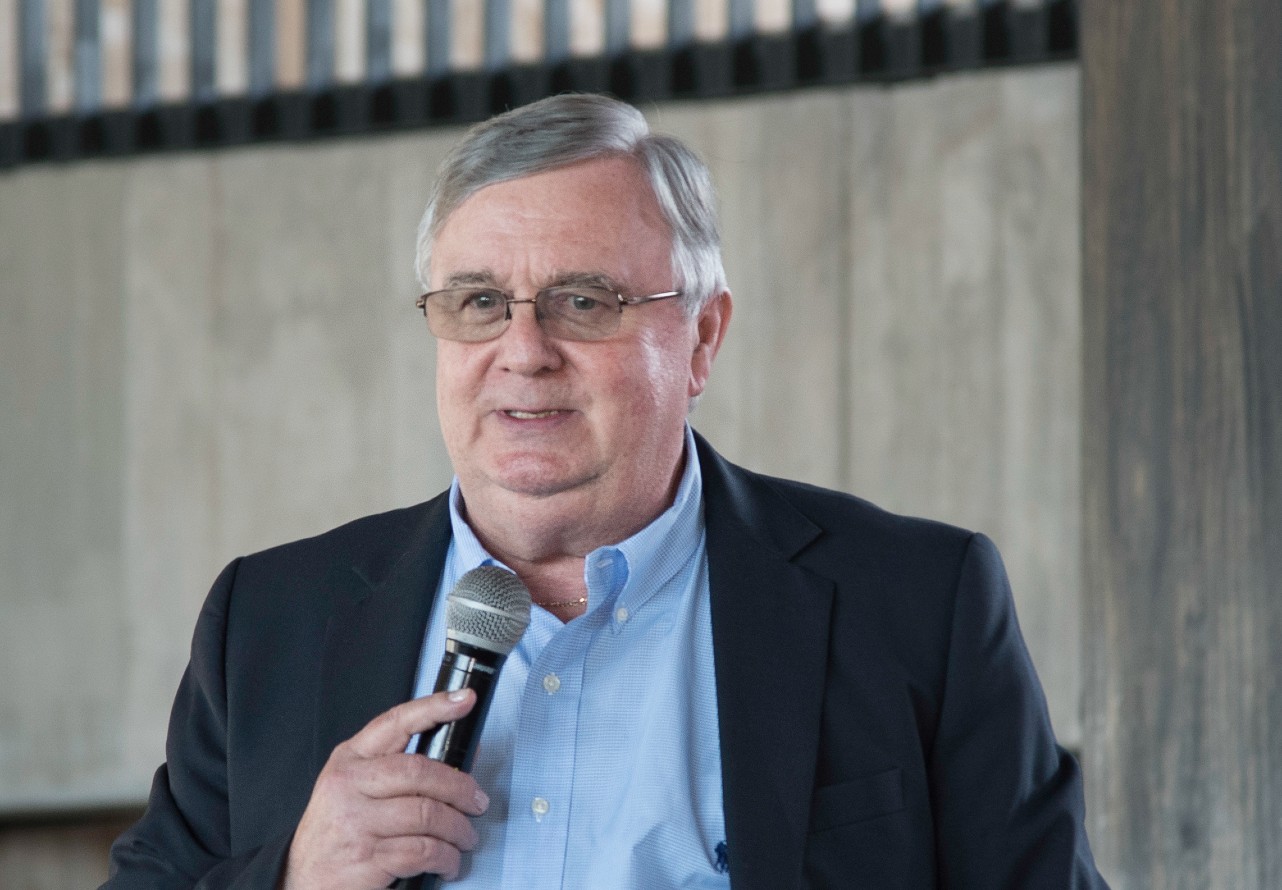
It has taken me from multinational manufacturing to working alongside William McDonough and Dr. Michael Braungart, and now to helping executive teams diagnose the hidden assumptions shaping their most important business decisions.
The inquiry began long before sustainability became mainstream.
When I began my career, sustainability was not yet a corporate function.
Over the years I worked in research and development, quality, manufacturing, product development and marketing before helping establish one of the early corporate sustainability leadership roles inside a multinational company.
Like many others, I believed that better information, better design and better strategy would naturally produce better outcomes.
Yet something didn’t fit.
Despite decades of sincere effort, investment and innovation, many of the unintended consequences we were trying to address continued to grow.
That observation became the beginning of a forty-year inquiry.
Looking beneath the symptoms
Most organizations respond to visible problems.
Carbon.
Waste.
Supply chains.
Artificial intelligence.
Compliance.
Risk.
Innovation.
These matter.
But I became increasingly interested in a different question.
What assumptions are producing these outcomes in the first place?
I came to believe that organizations often produce exactly the future their underlying assumptions make possible.
Until those assumptions become visible, even the best strategies may simply optimize the current system rather than transform it.
A career of connecting disciplines
My work has crossed boundaries that are often treated separately.
Chemistry.
Product development.
Manufacturing.
Marketing.
Corporate sustainability.
Circular economy.
Executive strategy.
Systems thinking.
Working alongside William McDonough and Dr. Michael Braungart for seventeen years reinforced the importance of designing systems rather than simply solving isolated problems.
Today my work continues that inquiry by helping executive teams understand how assumptions, decision-making and organizational systems combine to shape future business performance.
Why this matters now
TOrganizations today face unprecedented complexity.
Artificial intelligence is accelerating decision-making.
Markets are changing rapidly.
Stakeholder expectations continue to evolve.
At the same time, many organizations are investing heavily in transformation without first examining the assumptions guiding those investments.
I believe better decisions begin with better diagnosis.
That belief sits at the heart of every keynote I deliver, every executive diagnostic I conduct and every advisory engagement I undertake.
Current work
Today my work focuses on helping executive teams:
- diagnose hidden assumptions shaping strategic decisions
- improve long-term business performance
- reduce unintended consequences
- strengthen organizational decision-making
- build greater future capacity
This work is reflected in two forthcoming books:
Our Common Future Now
A forty-year reflection on why progress toward sustainability has often fallen short of expectations.
Perfectly Wrong
An exploration of how artificial intelligence inherits human assumptions—and why improving those assumptions is becoming one of leadership’s most important responsibilities.
A personal note
I don’t believe organizations fail because leaders lack commitment.
Most leaders are thoughtful, capable and acting in good faith.
The challenge is that every organization inherits an operating system built on assumptions that are rarely questioned.
My role is not to tell leaders what to think.
It is to help them see what has been shaping their decisions all along.
Better decisions begin with better diagnosis.
If your organization is preparing for significant change, I’d welcome the opportunity to begin with a conversation.
Book an Executive Diagnostic Conversation