
A keynote that changes what the audience believes — not just what they know.
Organisations keep being surprised by the consequences of their own decisions, not because their leaders are careless, but because nobody examined what those decisions stood on before they were scaled. A keynote is where that examination begins in public: one room, one talk, and a closer look at the reflection, so that the assumptions underneath the strategy become visible while there is still time to choose.
The keynote leads. The design workshop is a working room that can be booked in its own right. When a keynote is under discussion, a morning-after executive session can be added to it, and the two together form one combined engagement. Bookings are made directly with Circularity Edge.
The Keynote: Squaring the Circle
What Ancient Geometry Teaches Us About Unsustainability in 2027
Nearly every company runs on growth targets built for a linear economy: more units, more volume, more material passing through the business. At the same time, the world is repricing that throughput, through producer responsibility fees, packaging rules, carbon costs, and readers who see through unsupported claims. Growth against circularity looks like a choice between prosperity and responsibility. It is not. The choice rests on one unexamined belief: that growth means more new units sold.
Squaring the Circle dissolves that belief in the room. Growth is not the problem. Throughput is. The two can be separated, and the talk shows where the separation is already profitable, in language a leadership team can take into its next planning round. Nobody in the talk is accused of anything. The problem is stated as it is lived: consequences arriving that nobody intended, from decisions nobody examined in time.
Duration: 45 to 60 minutes, plus questions. Also available as a public evening event: the whole company invited, the local community welcomed, competitors and the press in the room, so that the keynote becomes a leadership initiative rather than an hour behind closed doors.
Audience: executive teams of six to conference audiences of 1,000 and more. Leadership teams, industry associations, summits, and executive education rooms.
So that a leadership team can name the targets that depend on more material passing through the business and choose the first places where revenue can grow while throughput falls.
Fee: from $10,000 plus travel and expenses.
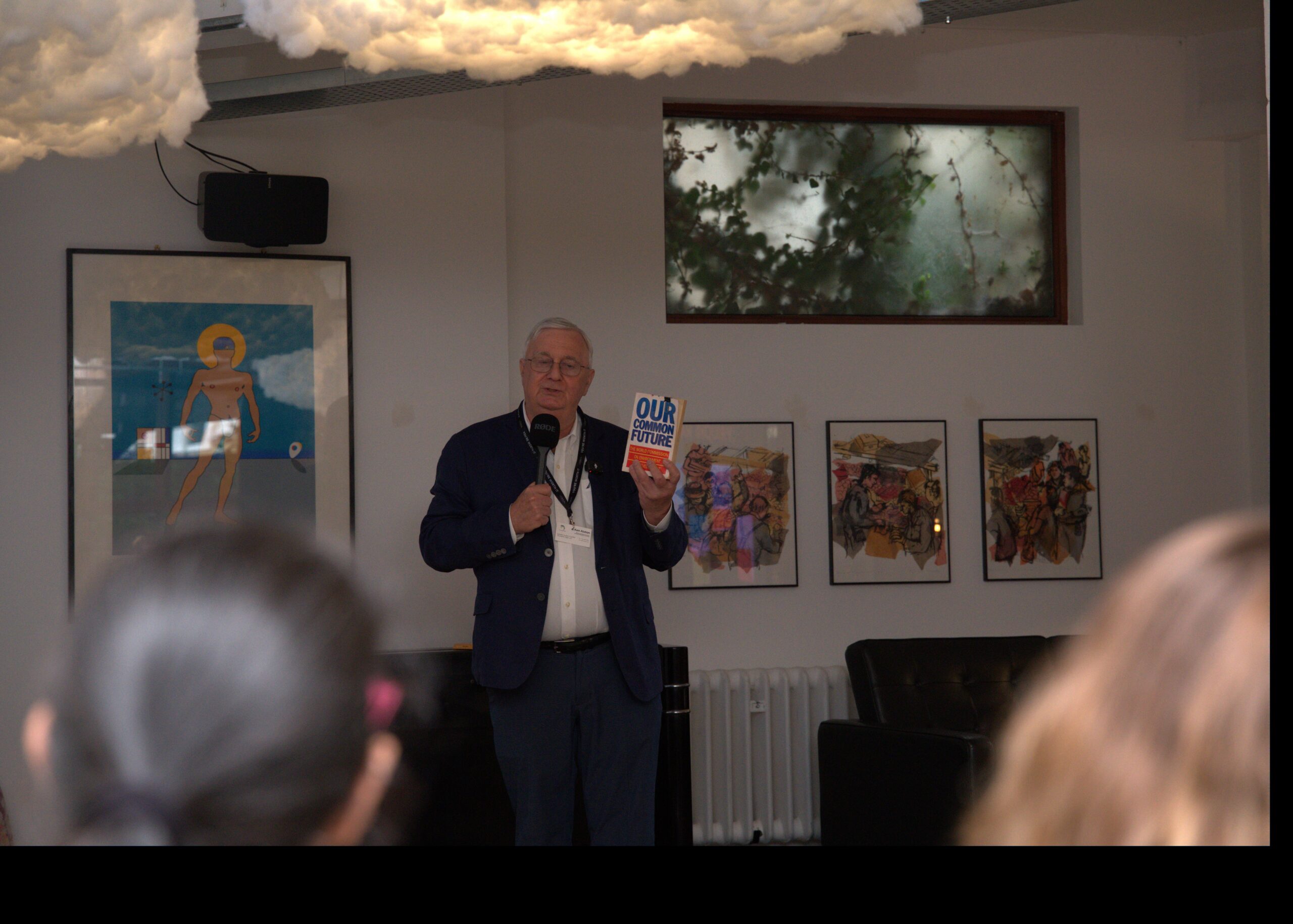
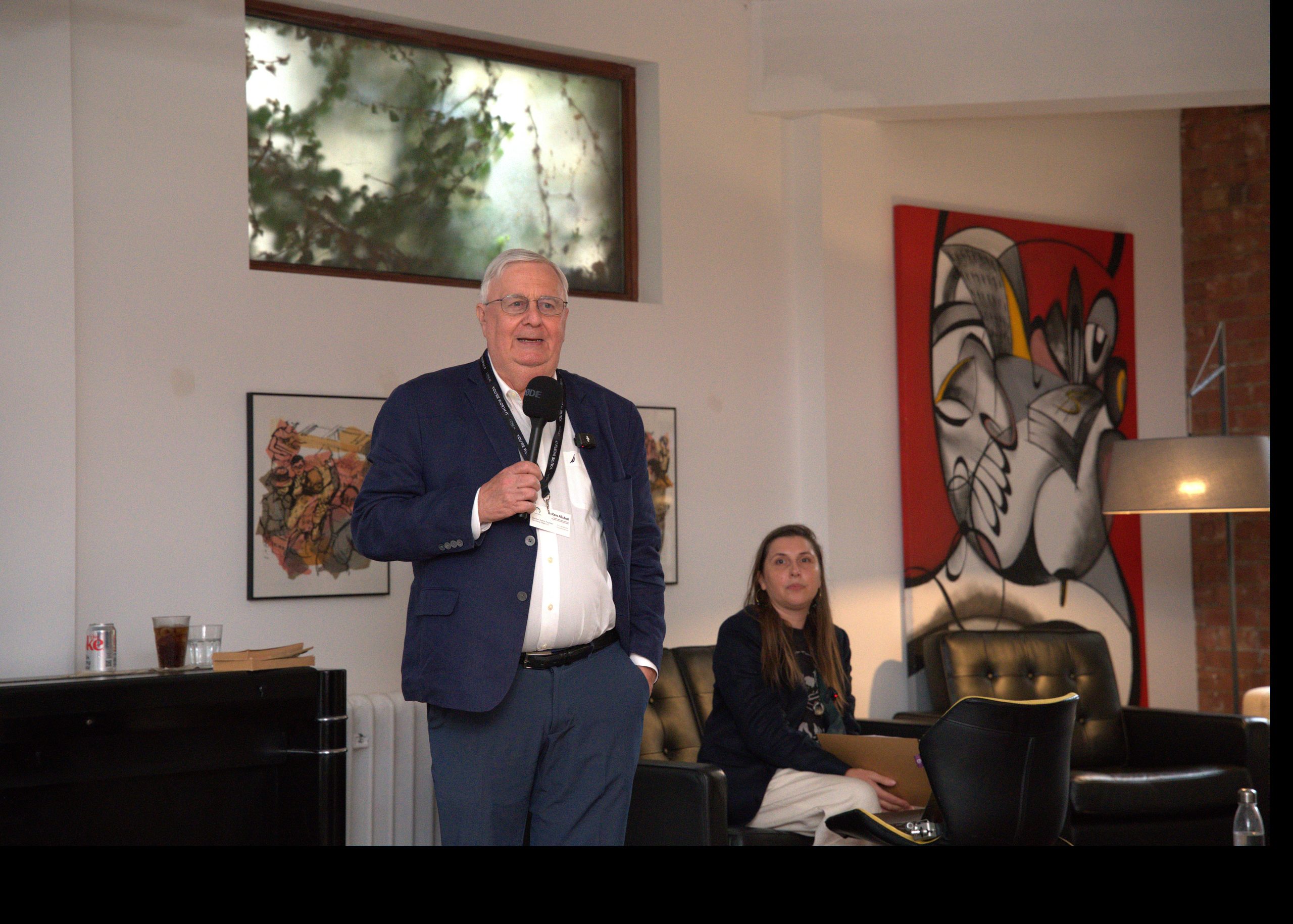
Companion talks, at the same fee and duration:
Perfectly Wrong. AI is becoming exceptionally good at producing confident conclusions from unexamined assumptions, and it shortens the time between an assumption and its consequence to days. Drawn from the book Perfectly Wrong: How AI Turns Sustainability Blind Spots Into Business Risk. For AI governance, risk, finance, and legal audiences, and for general executive rooms. So that your executives can spot the assumption inside an AI-supported answer before the organisation relies on it, publishes it, or signs it.
The Forty-Year Retrospective. Our Common Future – Now, forty years after the Brundtland Report: what four decades inside this work actually teach about why the trajectory has not changed, and what comes next. The second talk, for universities, summits, and rooms that want the witness of nearly fifty years. So that your audience can hear the sustainability story told by someone who was inside it from the outset, and can test its own certainties against that record.
The Design Workshop: a product in hand
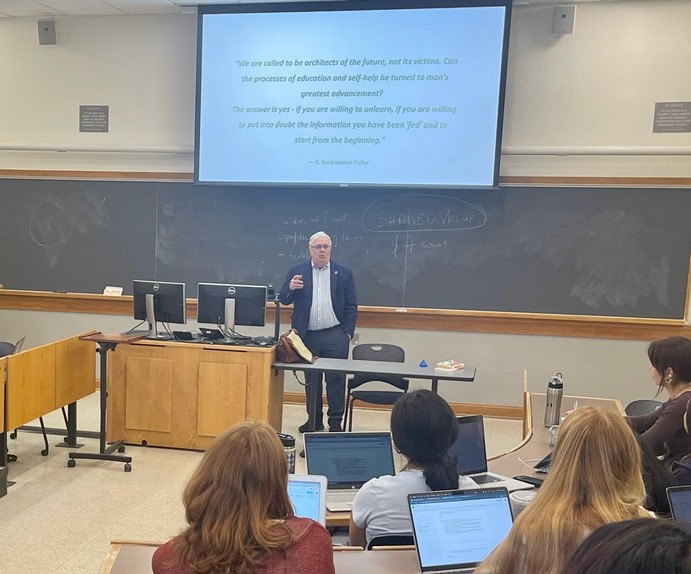
The design workshop is a rehearsal, not a lecture. The room works on one canonical object: a pen, a writing instrument. It is a real product that most product-making companies make, deliberately outside your current design frame, and humble enough that nobody in the room defends it. The whole linear model can be held in one hand, and the whole question of how money is made from it can be examined in one session. The session descends directly from the product design workshops Ken ran for years alongside William McDonough, and it has been refined across every room since.
Teams of about six design the pen, present their design, and then audit it with the questions the keynote introduced: what had to be assumed for this design to work, whether its numbers survive their own arithmetic, and what in it is ours to govern and what never was. For rooms that do not make products, the point is named at the start: the pen is not your product. It is a way of holding the whole model in one hand. Before the room leaves, the debrief carries everyone explicitly from the pen to their own portfolio, so that the lesson lands on real work, not on an exercise.
In the room, we practise the questions. In the engagement, I answer them about you.
Duration: half-day is the standard form. A full day is the extended form, with a second design round after the audit.
Audience: product, design, and innovation teams, and mixed executive groups. Six to thirty-six in the room.
So that your team leaves having designed a real product, tested what the design assumed, and learned a way of questioning that it can apply to its own portfolio at the next design gate, without Ken in the room.
Fee: enquire. The standalone workshop is priced in conversation, once the room and the purpose are clear.
The Morning-After Session: the reflection, in the room
The morning after the keynote, the executive team returns for a half-day session. Nobody is asked to summarise the talk. Each person writes, from memory, what actually stayed with them overnight. That recall goes on the whiteboard. Then the company’s own public sustainability page goes on the screen beside it.
The distance between what the leadership remembers believing and what the company claims in public is the work of the morning. It is visible in one room, in the team’s own words, and it is worked on while the room is still together. This session is a mirror in the plainest sense: it does not argue with anyone. It shows.
Duration: half a day, on the morning immediately after the keynote.
Audience: the executive team that heard the keynote. Small, senior, and the same people who were in the room the night before.
So that direction can be reset on shared ground while the team is still together.
This session is not sold on its own. It is added to a keynote, once a keynote is under discussion, and the combined engagement is the package below.
The Mirror Package: keynote and morning after, as one engagement
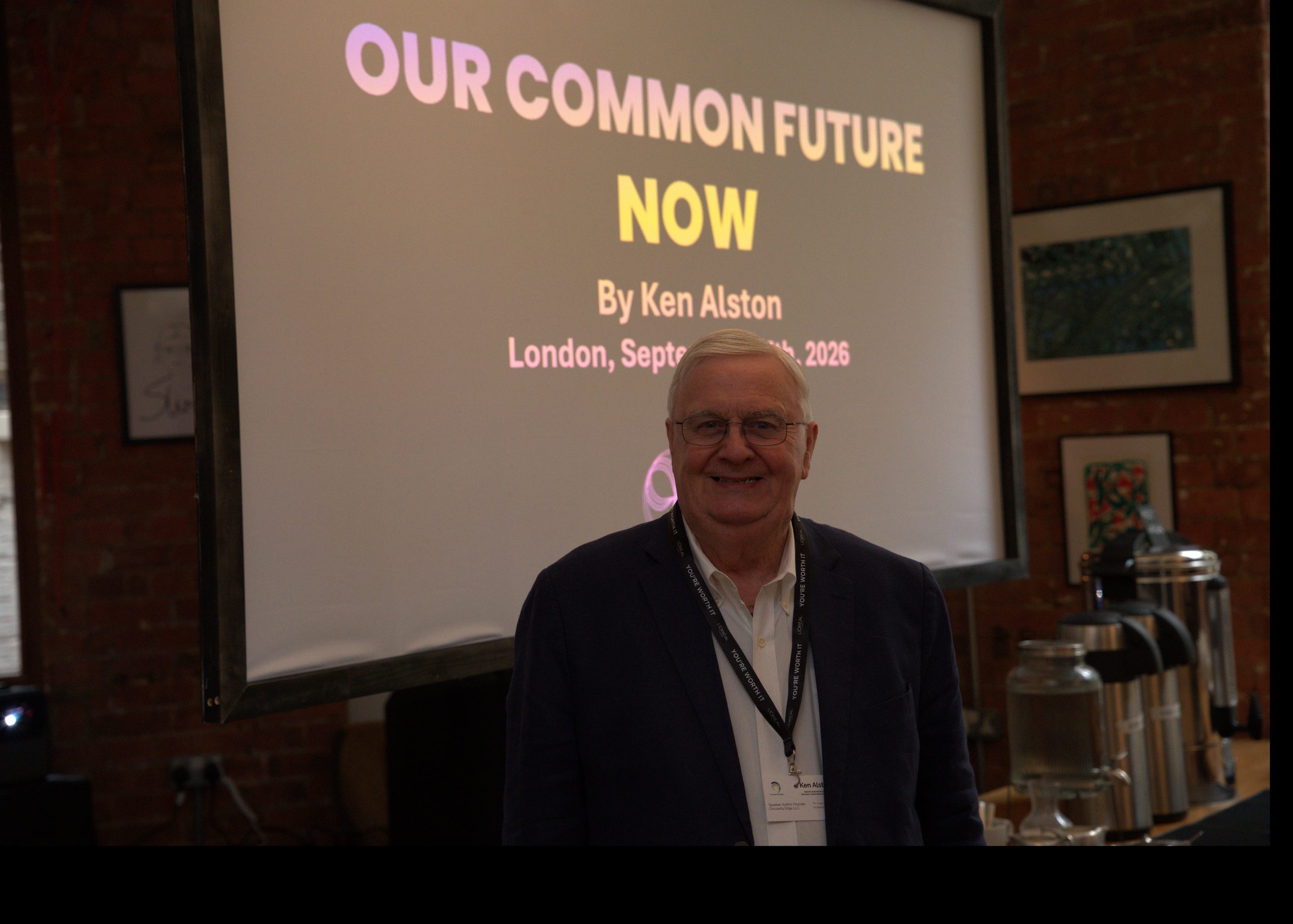
When the morning-after session is added to a keynote, the combined engagement is called The Mirror Package. An evening keynote, Squaring the Circle, for the whole room. The next morning, the executive session: the overnight recall on the whiteboard, set beside the company’s own public page, and the direction reset that follows when leadership sees its own reflection.
The pattern is proven. A chief executive once asked for a head-twisting keynote for his executive team. The event was set up instead as a public evening: the whole company, the community, competitors, and the press. On that occasion the evening talk was William McDonough’s and the morning session was Ken’s. The gap the morning exposed reset the company’s direction, and the work that followed produced the fastest and best regarded product launch in that company’s history. Today both halves of the package are Ken’s to deliver.
Duration: the evening keynote, 45 to 60 minutes plus questions, and a half-day executive session the following morning.
Audience: the whole company and its guests in the evening, up to 1,000 and more. The executive team the next morning.
So that your organisation gets the public signal and the private reckoning in one engagement: a company that has heard the same talk on the same evening, and a leadership team that has seen its own reflection the next morning, able to reset direction together rather than on a report it did not live.
Fee: from $12,500 plus travel and expenses. The morning-after session is not sold separately.
If the room you are planning does not fit these forms exactly, begin with a conversation anyway. The right form of engagement may be one that is not listed here, and the conversation is where it can be named.
Practicalities
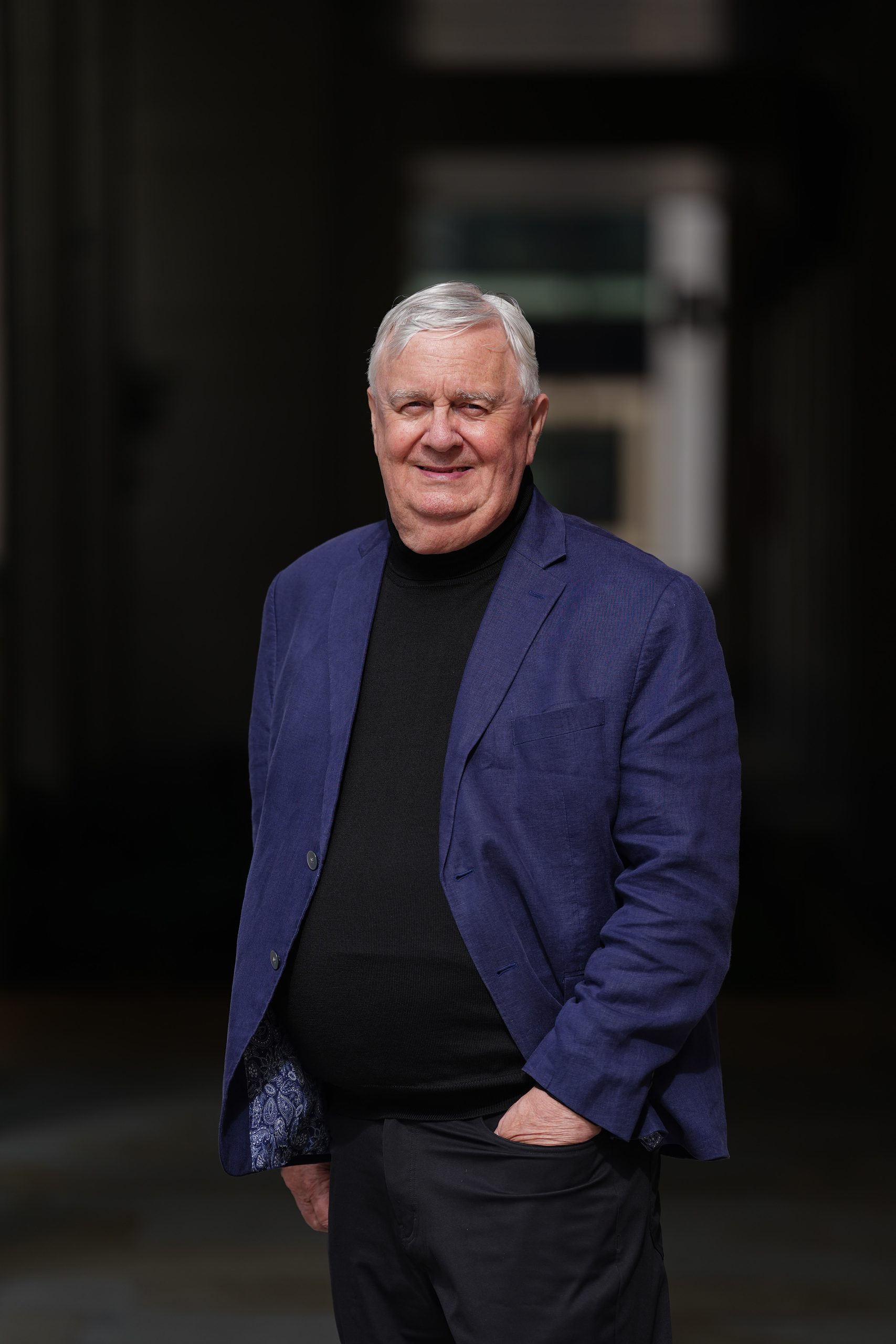
Practicalities. Ken speaks to groups from executive teams of six to audiences of 1,000 and more: boardrooms, conferences, universities, and executive education programmes. In person is preferred; virtual engagements are by arrangement. Talks are delivered in English, and international engagements are welcome. Business travel is charged at cost, arranged or reimbursed. Booking lead time is typically six to twelve weeks, and dates each quarter are limited. Speaking enquiries are answered within two business days.